
South Texas Salt Lakes
Location
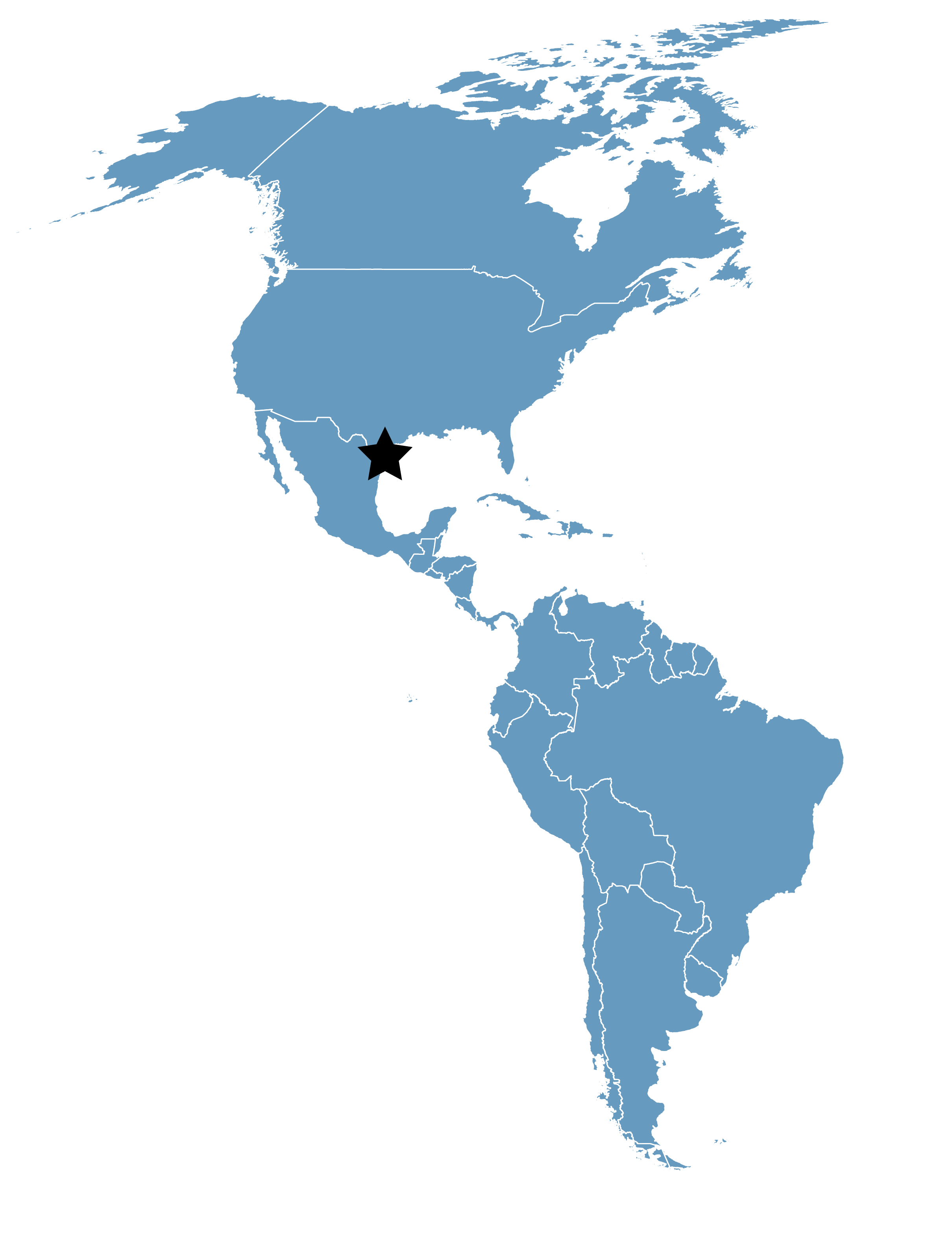
Texas, United States
Category
International
Basis for Designation
More than 10% of the global population of Long-billed Curlew uses the site.
Size
733 hectares (1,811 acres)
Date Designated
April 2004
Site Owner
U.S. Fish and Wildlife Service
Site Partners
Valley Nature Center
Overview
South Texas Salt Lakes is a WHSRN site consisting of two inland saline lakes surrounded by Tamaulipan thornscrub and grasslands in southern Texas. Both lakes, La Sal del Rey and East Lake (La Sal Blanca), are part of the Lower Rio Grande Valley National Wildlife Refuge that runs along the U.S.-Mexican border. In addition, part of East Lake extends onto private lands.
Surveys have shown that 10% of the estimated global population of Long-Billed Curlews use these lakes as roosting sites during winter months. Biologists and volunteers have counted as many as 2,261 Long-billed Curlews on the lakes at one time out of a total population of an estimated 20,000. Long-billed Curlew, the largest shorebird in North America, is identified in the U.S. Shorebird Conservation Plan as being a highly imperiled species.
10% of the estimated global population of Long-Billed Curlews use these lakes as roosting sites during winter.
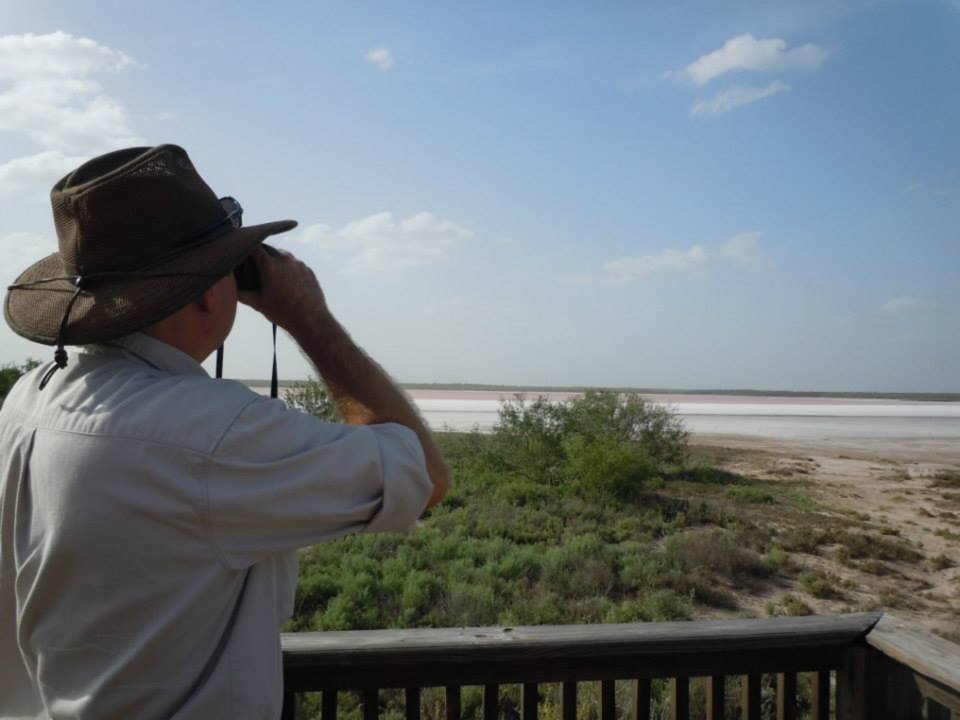
La Sal Del Ray Observation Deck. Photo: Meredith G. Morehouse.
Research and Management
The management priorities are to protect and provide habitat for migrating, wintering and nesting birds; to provide public use opportunities; and to continue to minimize disturbance.
Research priorities include investigating the relationship of water levels, salinity levels and the food base (brine shrimp and other invertebrates) and researching the role of artesian wells in species diversity. The impact of commercial brine extraction at La Sal del Rey is a research priority. Research on Snowy Plover nesting success is underway.
Both lakes are under refuge management. The management priorities include maintaining these lakes for migrating, wintering, and nesting birds and providing public use opportunities. This is accomplished by erecting fencing, restricting access during breeding, mitigating oil and gas company activities, erecting signage, and issuing special use permits for birding tour groups.
At East Lake, anti-predator fencing is erected to protect colonies of nesting Gull-billed Terns. Least Terns and Snowy Plover also nest there. Access to the lake is minimized during the nesting season.
At La Sal del Rey, Black-necked Stilt, Killdeer, Snowy Plover, and Least Tern nest. Access is also restricted here during the breeding season. An interpretive tour is led by refuge volunteers to this area during the winter months.
The site is of critical importance to other avian species. Specifically, it is a migration stopover point for thousands of Wilson’s Phalaropes and Eared Grebes. Hundreds of these birds spend the winter on the lakes, as well. During the winter, hundreds of Sandhill Cranes and Snow Geese often use the lakes for roosting spots.