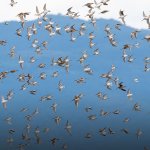

Playa Ceuta
Location
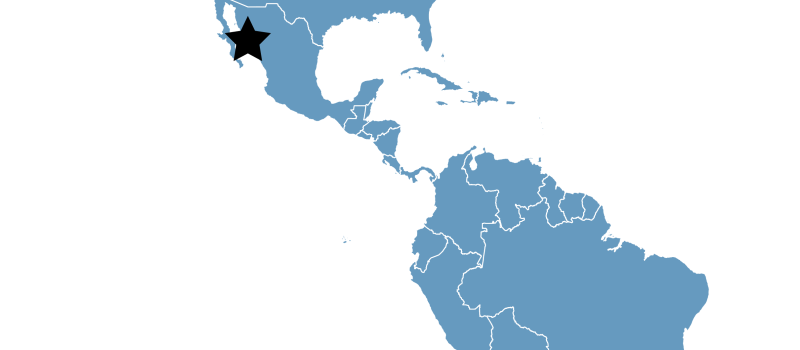
Sinaloa, Mexico
Category
Regional
Basis for Designation
More than 20,000 shorebirds annually.
Size
1,500 hectares (3,706 acres)
Date Designated
January 2002
Site Owner
Comisión Nacional de Áreas Naturales Protegidas
State of Sinaloa
City of Elota
Overview
Located in the south-central part of Sinaloa, Playa Ceuta is a small bay of critical importance for several species of migratory birds. In recent years, several studies have been carried out on the reproductive biology of the Least Tern (Sterna antillarum) and the Snowy Plover (Charadrius nivosus). This site is considered the most important in Sinaloa for these species. The constant flooding of nesting sites is considered as the main threat to the reproduction of these birds, and habitat management plans have been developed for their protection.
The vegetation in the area is made up of mangroves and patches of desert scrub and salt flats. The dominant species of mangroves are Button mangrove (Conocarpus erecta), Red Mangrove (Rhyzopha mangle), White Mangrove (Avicenia germinans), and Black Mangrove (Laguncularia racemosa). Other important species include Turtleweed (Batis maritime), Southern Cattail (Typha dominguensis) and desert scrub such as cholla (Opuntia puberula), Nopal de Tortuga (Opuntia sp.) Tasajo (Ratbunia alamosensis), Palo Colorado (Caesalpinia platyloba), Guayacán (Guayacum palmeri), and some species of graminias. The area itself has an area of tidal influence in the mouth located north of the Bay.
Threats and Disturbance
Aquaculture development is planned in the salt flats which would negatively affect the breeding colony of Snowy Plovers (Charadrius nivosus). In addition, the site in question is used for grazing livestock, which is negatively impacting vegetation of the area and indirectly the breeding birds. In the North Bay, there are a number of fish farms that use chemicals in their production processes, which sometimes are discharged directly to the Bay.
In the proposed area agricultural activities use chemicals that could increase the process of eutrophication in the area. There is no control on fishing and a hunting club repels birds with the use of airboats. There are several aquaculture concessions that are operating in Bay tributaries, which have adversely affected the flora and fauna of the region and the ecosystem in general. Livestock development is seen in some areas and these disturb roosting sites, foraging and nesting birds. The illegal burning of agricultural plastics and bulrush areas adversely affect the area.