
About Us
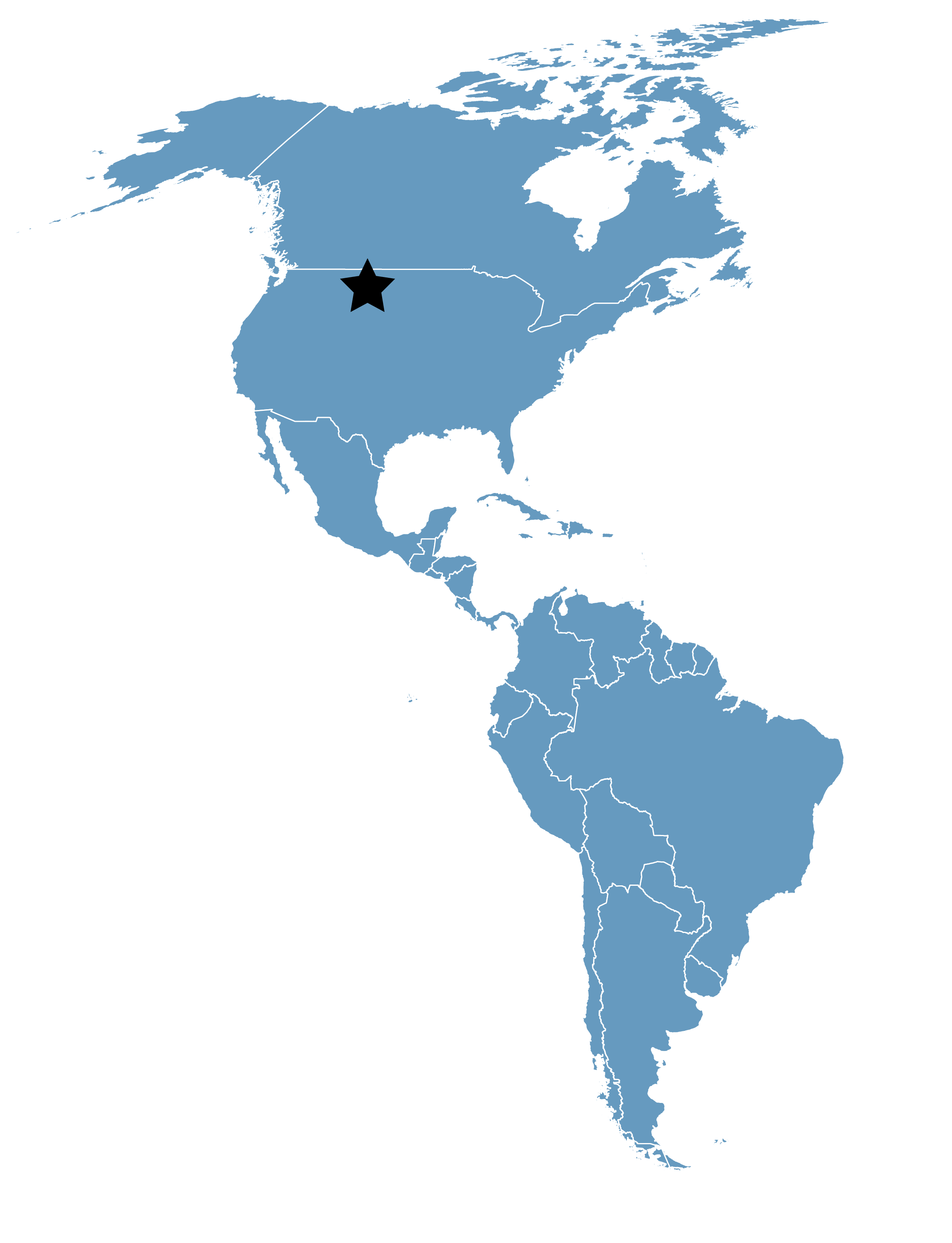
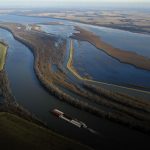
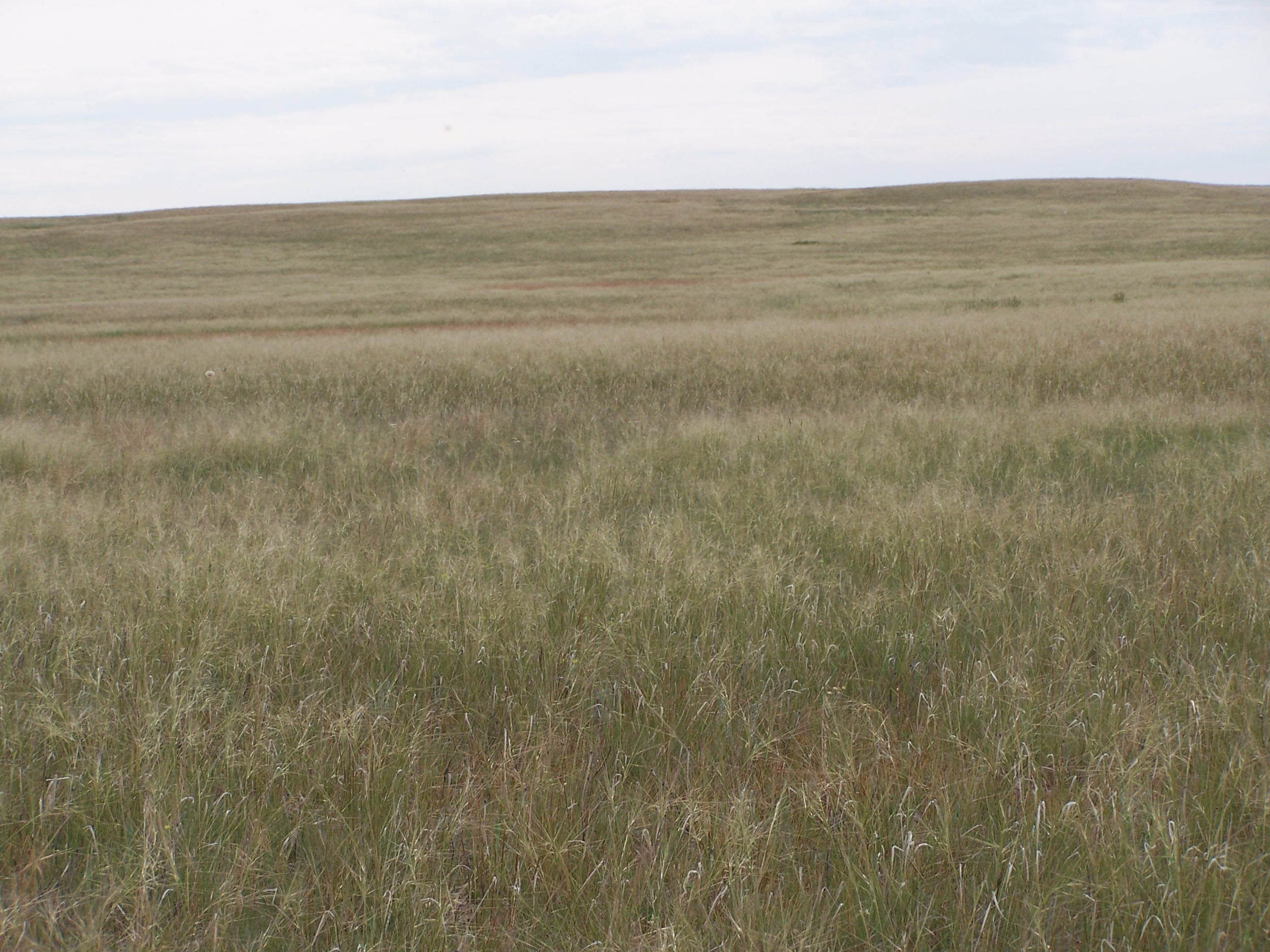
The Bowdoin National Wildlife Refuge (NWR) was established by Executive Order 7295 on February 14, 1936, as a refuge and breeding ground for migratory birds and other wildlife. The refuge itself encompasses 15,551 acres and is located in the short- and mixed-grass prairie region of North-central Montana. It lies about 7 miles northeast of Malta in the Milk River Valley of Phillips County. The refuge currently is fenced on the approximate Executive Order boundary and all lands within the fence are administered by the U.S. Fish & Wildlife Service. State of Montana School Trust lands within the Executive Order boundary became part of the refuge in the 1940s, as did railroad lands, by a letter of consent. Small parcels of U.S. Bureau of Reclamation and U.S. Bureau of Land Management lands near the boundary were made part of the refuge by various agreements and Memorandums of Understanding. The majority of the shorebird habitat was included in the original Executive Order designating public lands to be part of the refuge. The refuge employs 5 full-time employees and 2 to 6 temporary employees during the summer. The refuge also has an active volunteer program which is vital to help the small staff achieve many of its goals.
HABITATS
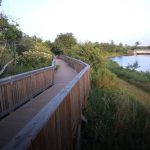
Major habitat types on the refuge include freshwater wetlands, saline wetlands, native prairie, dense nesting cover, shrubs, and trees. The Bowdoin area was glaciated 15,000 years ago, but does not have the abundance of semi-permanent and permanent wetlands found in the true glaciated prairie. Refuge wetlands total about 6,615 acres and the remainder is uplands. Geologic history indicates that Lake Bowdoin was once an oxbow of the pre-glacial Missouri River channel. Today the Missouri lies nearly 70 miles south of Bowdoin NWR. The oxbows which remain at Bowdoin include Lake Bowdoin and Dry Lake, the two largest water units on the refuge. Both have extensive areas of shallow water with higher than normal salinity. This results in alkaline beaches and mud flats which are highly productive in terms of invertebrate life. Both lakes have been altered with diking and installation of water-control structures designed to transport flood waters from Beaver Creek, a tributary of the Milk River. Most of the water for the refuge, however, is delivered by the Dodson South Canal, a facility of the Milk River Irrigation System.
HUMAN POPULATION
Bowdoin NWR is located in the center of Phillips County, Montana, one of the larger counties in the United States. The 2008 Census lists the county population at just under 4,000 people and is slowly declining. Malta, the County Seat, is seven miles west of the refuge and has about 2,000 people. Malta is the largest community for at least 70 miles in any direction. Larger cities such as Billings, Great Falls, and Williston (ND) are slightly over 200 miles away.
BIRDS
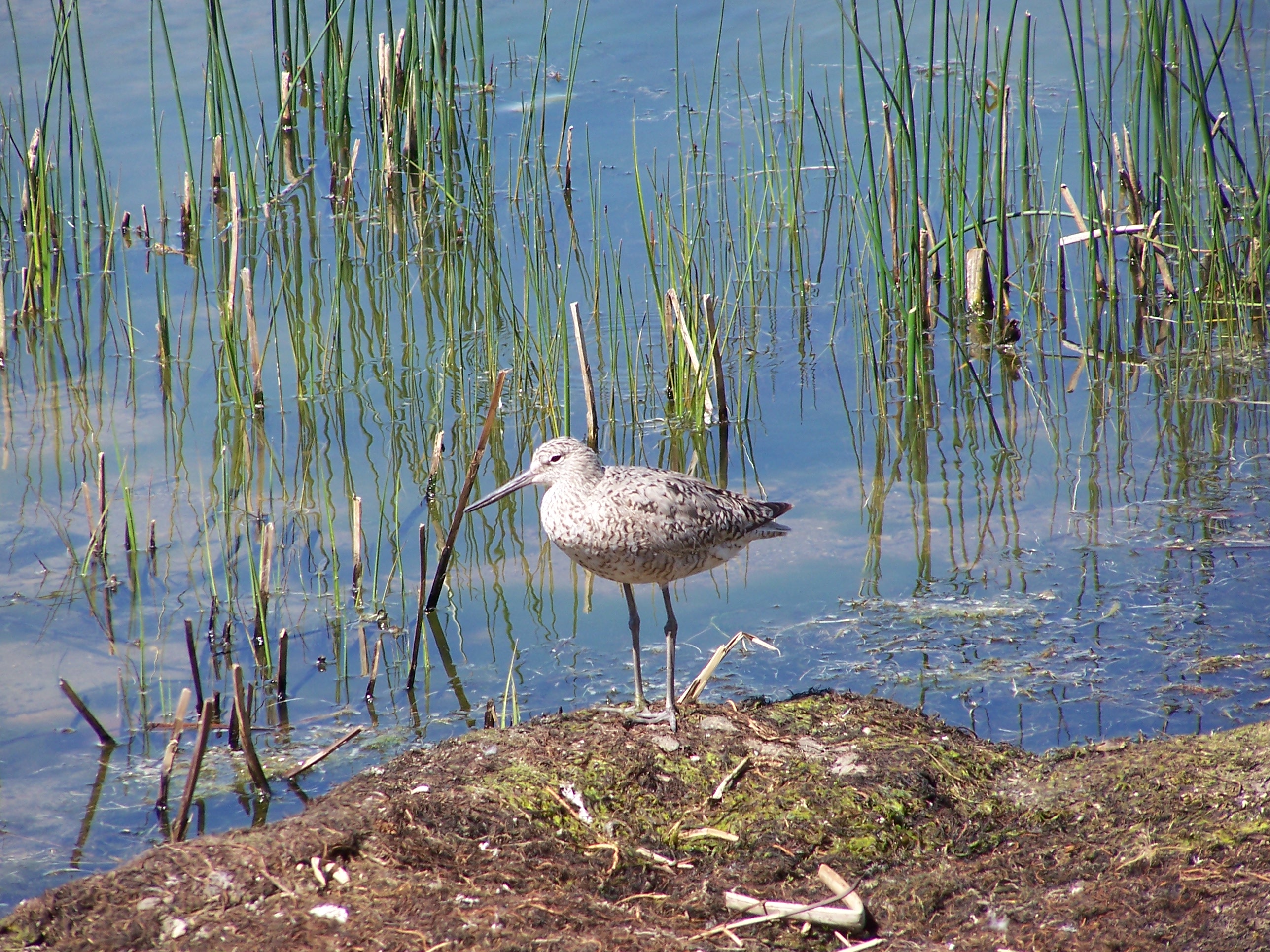
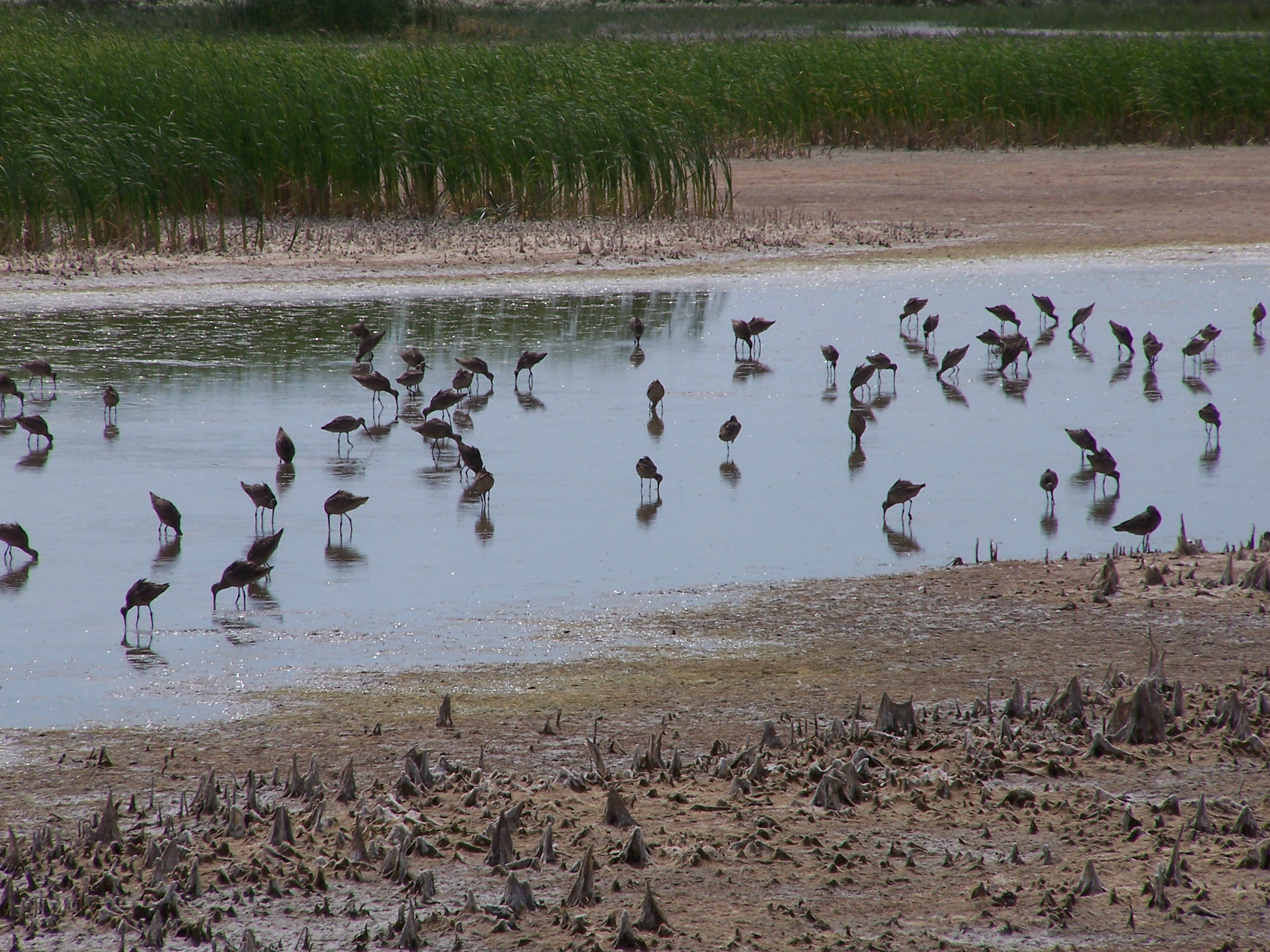
Maximum single counts for 38 shorebird species found at Bowdoin NWR were determined from an International Shorebird Survey (ISS) route during 1996 through 2001, with two exceptions. A single Mountain plover observed in 1989 and a single Red Phalarope photographed in 1985 were included in this report because of their presence, but the number is insignificant. The total number of 32,370 shorebirds is very conservative. The ISS route does not cover the entire refuge, and some good shorebird areas are missed because they are not near existing roads and trails. An attempt was made during 2000 and 2001 to determine the proportion of shorebirds missed by the ISS route. Six surveys, which also included some of the better shorebird habitat not on the ISS route, determined that 28 to 44 percent of the shorebirds were not being counted by the ISS route. Expanding the ISS maximum count of 32,370 shorebirds to include the 28 to 44 percent additional birds produces the following table because information was not collected by a systematic survey. There have been sightings of 90 Whimbrels in spring, Killdeer presence from March through November, and larger numbers of Snipe during the hunting season, for example. The type of use in the following table is either migration (M) or breeding (B). Regular shorebird surveys have not been performed in recent years due to decreases in staffing and increases in requirements for other refuge programs.
|
List of Species |
Season |
Use |
Maximum |
|
Black-bellied plover |
May & October |
M |
60 |
|
American golden-plover |
May, Jul, Aug, Oct. |
M |
2 |
|
Pacific golden-plover |
October |
M |
1 |
|
Snowy plover |
June |
M |
2 |
|
Piping plover |
May & August |
B |
4 |
|
Semipalmated plover |
May & September |
M |
55 |
|
Killdeer |
Apr & Oct. |
B |
188 |
|
Mountain plover |
Jun |
M |
1 |
|
American avocet |
Apr & October |
B |
699 |
|
Black-necked stilt |
Apr & October |
B |
102 |
|
Willet |
April & September |
B |
1,288 |
|
Greater yellowlegs |
Apr & November |
M |
103 |
|
Lesser yellowlegs |
Apr-October |
M |
701 |
|
Solitary sandpiper |
May, July, August |
M |
2 |
|
Spotted sandpiper |
May - August |
B |
24 |
|
Whimbrel |
May & July |
M |
7 |
|
Long-billed curlew |
May & August |
B |
384 |
|
Marbled Godwit |
April & October |
B |
1,610 |
|
Hudsonian Godwit |
June & August |
M |
7 |
|
Ruddy turnstone |
May, July, August |
M |
2 |
|
Red knot |
May, July, August |
M |
3 |
|
Sanderling |
May & October |
M |
72 |
|
Dunlin |
July & August |
M |
1 |
|
Semipalmated sandpiper |
May & October |
M |
2,261 |
|
Western sandpiper |
June & September |
M |
49 |
|
Least sandpiper |
May & October |
M |
244 |
|
White-rumped sandpiper |
May, June, Aug, Sept. |
M |
24 |
|
Baird’s sandpiper |
May & October |
M |
920 |
|
Pectoral sandpiper |
May, July & October |
M |
154 |
|
Upland sandpiper |
May & August |
B |
7 |
|
Buff-breasted sandpiper |
July, September |
M |
1 |
|
Short-billed dowitcher |
May, July, August |
M |
28 |
|
Long-billed dowitcher |
May & October |
M |
1,727 |
|
Stilt sandpiper |
May & October |
M |
1,803 |
|
Common snipe |
May & September |
B |
7 |
|
Wilson’s phalarope |
May & September |
B |
13,826 |
|
Red-necked phalarope |
May & August |
M |
6,000 |
|
Red phalarope |
July |
M |
1 |
Percentage of shorebirds on and off the Bowdoin ISS route during 6 samples in 2000 and 2001.
|
Date of Survey |
Percent on ISS Route |
Percent off ISS route |
|
02 August 2000 |
72 |
28 |
|
09 August 2000 |
56 |
44 |
|
16 August 2000 |
63 |
37 |
|
23 August 2000 |
70 |
30 |
|
25 July 2001 |
61 |
39 |
|
01 August 2001 |
72 |
28 |
Ecology & Conservation
Land Use:
Principle use: Forty percent of the refuge is open to waterfowl and upland game bird hunting during the fall. Located just a few miles to the north are Nelson Reservoir (a large Bureau of Reclamation irrigation storage reservoir) and Hewill Lake NWR, both of which have extensive shorebird habitat. Lands adjacent to the Bowdoin NWR include native prairie to the north, dryland cropland to the east, and irrigated hayland to the south and west. The irrigated fields provide shorebird feeding habitat throughout the spring and summer months.
Protection:
Bowdoin NWR was established in 1936 as "a refuge and breeding ground for migratory birds and other wildlife. (Executive Order February 14, 1936)," and "... for any other management purpose, for migratory birds (Migratory Bird Conservation Act, February 18, 1929, with subsequent amendments)." Secondary uses of refuge lands must meet a compatibility test based on the establishing documents.
Current Threats:
Water quality is a major issue. Lake Bowdoin and Dry Lake accumulate salts from groundwater seeping to the surface near the shorelines. Saline seeps are a common occurrence in eastern Montana, but the size of the water bodies and magnitude of the problem at Bowdoin has raised concerns with the Montana Department of Environmental Quality. Bowdoin NWR is not allowed to discharge water into Beaver Creek except during infrequent flood events. Salt levels in water units continue to slowly increase, with wind erosion from dry salt flats in late summer as the only current means of releasing salts. Although some salt is advantageous to many shorebird species because of the tremendous productivity of invertebrate life in salty water, excessive salt loads and biomass production lead to outbreaks of avian botulism at Bowdoin and the potential for deformities in some bird species. Botulism has killed in excess of 8,000 waterfowl in some years, with shorebird losses being significantly lower. Salt can enter the refuge in irrigation return flows which the refuge has to accept from the Milk River Irrigation System. Refuge staff are currently working with other state and federal agencies and local citizens to try to address the increasing saline problem on the refuge.
Invasion of noxious weeds and other unwanted plants is also a concern. Most invasive species discovered on Bowdoin NWR have been in relatively small areas and are easily contained or eradicated, but of particular concern to wetlands is the invasion of Russian olive trees along shorelines, dikes, and water delivery canals. Encroachment by Russian olive trees could limit shorebird use of some feeding areas, but an eradication program was begun in 2000 to remove invading trees from certain areas. The extent of the invasion is great and may never be completely eradicated, but staff continue to make progress and the prairie wetland vegetation community has been restored at several locations on the refuge.
Periods of drought are a natural occurrence in eastern Montana, but they have a tremendous effect on shorebird use of Bowdoin NWR. The early years of drought can expose additional feeding areas and greatly increase use by shorebirds, as occurred on Dry Lake in 1999 when nearly 14,000 Wilson’s Phalaropes were present. As drought persists, and wetlands become dry, habitat is lost temporarily and shorebird use declines. The cyclic nature of these events is good for the health of the prairie wetland community, but results in fluctuating shorebird populations.
Management Activities:
Designated “Important Bird Area” March 17, 2001.
Bowdoin NWR is currently working on its Comprehensive Conservation Planning (CCP) which is tentatively scheduled to be completed by 2012. There currently is no Master Plan in place and the refuge is managed under a set of “interim goals and operating statements.” Resting, feeding, and breeding habitat for migratory birds, including shorebirds, is a primary function of the refuge. Current water management is done for waterfowl as well as for shorebirds, colonial-nesting waterbirds, and marsh and wading birds. Periodic drawdowns are accomplished to recycle nutrients and provide for shallow water feeding areas. Upland management techniques include prescribed fire, grazing, and mowing, all of which maintain native prairie for use by nesting waterfowl as well as by larger upland-nesting shorebirds. The east half of Lake Bowdoin and western portion of Dry Lake have been designated as critical habitat for the threatened Piping Plover. Any management activities in this area must take into account impacts on this species. Two gravel beaches on Dry Lake have been enhanced for Piping Plovers and a low-level dike was constructed in 2002 to provide a more permanent nesting area for them on the western edge of Dry Lake. These projects have benefits for other shorebird species as well.
Research & Monitoring:
Except for Piping Plovers, no research and monitoring for shorebirds is currently being done on Bowdoin NWR, due to decreases in staff and increases in requirements for other refuge programs and CCP development. In the past, refuge staff have participated in All-Bird Monitoring for the State of Montana, as developed by the Montana Bird Conservation Partnership. As many as 80 Species of Concern have been monitored as well as groups of bird species such as waterfowl, upland game birds, colonial nesting birds, grassland songbirds, shorebirds, raptors, and endangered species. Shorebirds were monitored via International Shorebird Survey (ISS) routes on Bowdoin (1996 - 2003) and Hewitt Lake (2000 - 2003) NWRs; nests have been monitored for upland nesting shorebirds found during waterfowl and grassland shorebird nest dragging; incubating adults and nestlings have been banded; and intensive pair and nest counts for Piping Plovers are still done on Bowdoin and Hewitt Lake NWRs. ISS routes were run every Wednesday for Bowdoin and every Thursday for Hewitt Lake from April through mid November when water was present and the observer was available. The Bowdoin ISS route circles Lake Bowdoin and Dry Lake mostly on existing roads and trails, but does not cover all of the shorebird habitat on the refuge.
Photo Gallery
Photos courtesy of U.S. Fish and Wildlife Service
Special Information:
Visitation:
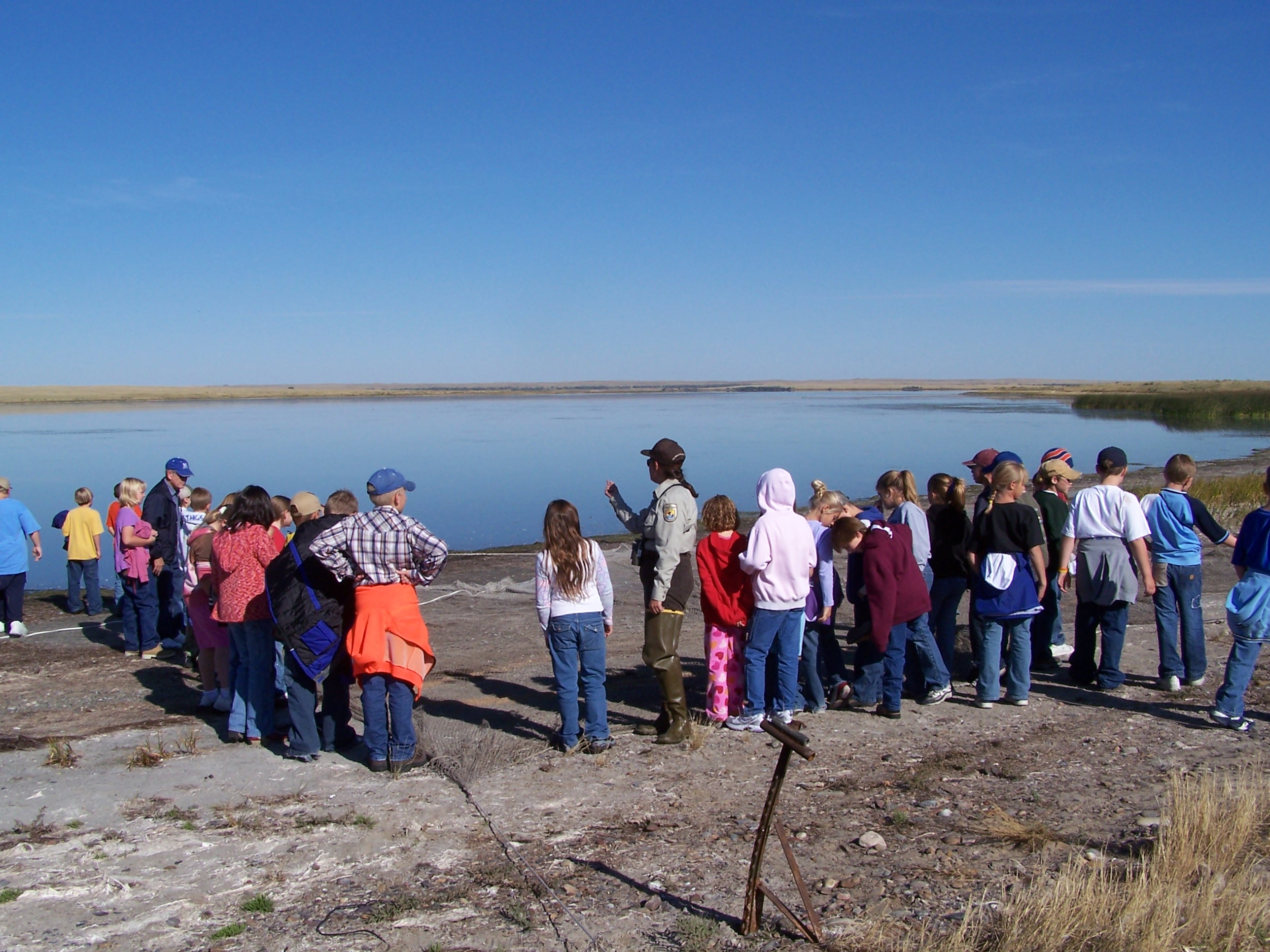
Bowdoin NWR is located in a semi-remote area with a low population density. U.S. Highway 2 passes a couple miles north of the refuge and provides the main artery for tourist traffic. General tourism and bird watching occurs primarily from April through October, with nearly 1,700 visitors during 2000. The east-bound and west-bound Amtrak passenger trains cross Bowdoin NWR each day with the conductor announcing that the train is on the refuge. Several school groups visit Bowdoin NWR each year for class field trips.
Local community interest has grown in recent years with outreach efforts and increases in ecotourism to the area. The Malta school system uses the refuge for field trips and environmental education. Montana State University Northern (in Havre) has used the refuge for Teacher Workshops and student field trips, with birds being the general topic of instruction. The refuge has no active “Friends Group.”
Local Activities:
- Bowdoin NWR Christmas Bird Count in December
- Observance of International Migratory Bird Day the 2nd Saturday in May.
(both events are organized by refuge staff.)
The refuge staff actively promote the economic value of the refuge to local businesses. Recognition of these benefits has increased as businesses close and local population decreases. Wildlife viewing has become one of the top tourism activities in Montana and is finally getting the recognition that it deserves. Motels, restaurants, and gas stations/convenience stores are the primary recipients of the tourism money generated by Bowdoin NWR visitors. There are no concessions on the refuge.
Contact:
Carmen Luna
Refuge Manager, Bowdoin NWR
194 Bowdoin Auto Tour Road
Malta, Montana 59538 USA
(406) 654-2863
bowdoin@fws.gov
Additional Resources
Bibliography:
Prellwitz, D.M., T.A. Prellwitz, K.K. Stutzman, and J.W. Stutzman. 1989. Piping plovers nesting at Nelson Reservoir, Montana. Prairie Naturalist, 21(2): 84-86.
Prellwitz, D.M. 1993. Additional mountain plover sightings in Montana. Prairie Naturalist, 25(1): 23-26.
Prellwitz, D.M., K.E. Erickson, and L.M. Osborne. 1995. Translocation of piping plover nest to prevent nest flooding. Wildlife Society Bulletin, 23(1): 103-106.